


Open-concept living rooms create spacious, connected areas for relaxing, dining and entertaining. However, their large floor plans can make air circulation more challenging. Some areas may feel comfortable while others remain warm or stuffy.
Parrot Uncle is a U.S.-based home brand best known for large ceiling fans and Hvls fans solutions that improve comfort and elevate the look of everyday spaces.The right combination of ceiling fans, natural ventilation and furniture placement can help improve airflow and make the entire space more comfortable.
Why Is Air Circulation Difficult in Open-Concept Living Rooms?
Open floor plans connect several functional areas without traditional walls. Although this creates a spacious environment, it can also make airflow less consistent.

Large Open Areas
A combined living room, dining room and kitchen requires more air movement than a small enclosed room. A standard ceiling fan may not provide enough coverage for the entire connected space.
Furniture and Layout
Large sofas, kitchen islands, bookshelves and room dividers can interrupt airflow and create areas with limited circulation. Poor furniture placement may also prevent air from moving freely between different zones.
High Ceilings
Warm air naturally rises, so rooms with vaulted or high ceilings may experience temperature differences between the ceiling and occupied areas. Without sufficient air movement, the lower part of the room may feel less comfortable.
Understanding these factors helps determine which improvements will work best.
Use Ceiling Fans to Improve Air Movement
Ceiling fans are one of the most practical ways to improve air circulation in an open-concept living room. They move existing air across a wide area and create a breeze that helps people feel cooler.
Choose the Right Fan Size
The fan diameter should match the size of the space. Larger rooms generally need larger fans or multiple fans to provide suitable coverage.
As a general starting point, consider these sizing guidelines:
|
Room Size |
Suggested Fan Diameter |
|---|---|
|
Up to 75 sq ft |
29 to 36 inches |
|
76 to 144 sq ft |
36 to 42 inches |
|
144 to 225 sq ft |
Around 44 inches |
|
225 to 400 sq ft |
50 to 54 inches |
|
Over 400 sq ft |
56 inches or larger |
These are general residential guidelines. Open-concept layouts may require larger fans because several connected areas share one airflow zone.
For example, a large living room connected to a dining area may need a wider blade span than a separate room with the same floor area.
Position the Fan Correctly
For many open-concept homes, placing a ceiling fan above the main seating area is a practical starting point. This provides airflow where people spend most of their time.
For standard installations, ceiling fans are commonly positioned at least 7 feet above the floor, with sufficient clearance from walls and nearby objects. Follow the manufacturer's installation requirements for the specific model.
If the dining and kitchen areas are far from the living room, one fan may not provide enough coverage.
Choose Suitable Airflow and Controls
Fan airflow, usually measured in CFM, indicates how much air a fan moves per minute. A higher CFM rating can be useful in large spaces, but fan diameter, motor performance and operating speed also matter.
Multiple speed settings allow you to adjust airflow according to the season and your comfort needs. Remote controls and smart controls also make operation more convenient, especially in rooms with high ceilings.
Should You Use One Ceiling Fan or Multiple Fans?
The number of fans depends on the size, shape and layout of your open-concept living room.

When One Large Fan Is Enough
One large ceiling fan may work well in a relatively compact, square open-concept space where the living and dining areas are close together.
A properly sized fan positioned near the center of the occupied area can provide broad airflow without requiring multiple fixtures.
The ceiling height and furniture arrangement should also be considered. A fan that works well in an open seating area may not provide the same circulation behind large furniture or across a distant kitchen.
When Multiple Fans Are Better
Long or unusually shaped rooms may benefit from two or more ceiling fans.
For example, a home with a living room at one end, a dining area in the middle and a kitchen at the other end may need separate airflow zones.
Installing fans above different functional areas can help distribute air more evenly. Make sure there is sufficient distance between fans and that their airflow does not create uncomfortable drafts.
Create Separate Airflow Zones
Dividing an open floor plan into functional zones makes fan placement easier.
|
Area |
Airflow Consideration |
|---|---|
|
Living Room |
Focus on the main seating area |
|
Dining Room |
Provide comfortable airflow above the dining space |
|
Kitchen |
Improve general circulation without interfering with cooking ventilation |
|
Entryway |
Consider whether additional air movement is needed |
Each zone does not necessarily need its own fan. The goal is to identify where airflow is needed most and choose a layout that works with the entire room.
Use Natural Ventilation When Conditions Allow
Natural ventilation can help move outdoor air through an open-concept home, particularly during mild weather.

Create Cross Ventilation
Cross ventilation occurs when outdoor air enters through one opening and moves through the home toward another opening.
If your living room has windows on opposite sides, opening them when outdoor conditions permit can encourage natural airflow.
For example, opening a window near the living room and another near the dining area may help air move through the connected space.
The effectiveness depends on wind direction, window placement and the difference between indoor and outdoor temperatures.
Keep Airflow Pathways Open
Avoid placing tall furniture directly between major living areas when possible. Open walkways and well-planned furniture arrangements can make it easier for air to circulate.
Window treatments also matter. Heavy curtains can restrict airflow near windows when closed, so consider how they affect both ventilation and natural light.
Know When to Keep Windows Closed
During hot and humid weather, opening windows may bring unwanted heat and moisture into your home.
The same applies when outdoor air quality is poor or pollen levels are high. In these conditions, keeping windows closed and using your existing cooling system may be a better option.
Ceiling fans only circulate existing indoor air. They do not introduce fresh air or remove indoor pollutants.
Reduce Airflow Obstacles in Your Living Room
Air circulation is not only about equipment. The way you arrange furniture and manage indoor conditions can also influence how comfortable an open-concept space feels.

Keep Main Walkways Open
Avoid blocking the main paths between the living room, dining area and kitchen with oversized furniture. A more open arrangement can help prevent unnecessary airflow restrictions.
Manage Heat from Windows
Large windows can allow substantial solar heat into a living room, particularly during the afternoon. Blinds, shades and curtains can help limit unwanted heat gain and reduce the cooling demand during warmer months.
Consider Heat from Kitchen Appliances
Ovens, stovetops and other cooking equipment can increase heat in connected living areas. Using an effective range hood helps remove cooking heat, smoke and odors rather than allowing them to spread throughout the home.
Maintain Comfortable Humidity
Air movement can make warm conditions feel more comfortable, but it does not remove moisture from the air. If your open-concept living room feels humid or sticky, air conditioning or a dehumidifier may be needed.
Large Ceiling Fans from Parrot Uncle
For spacious living rooms and open-plan homes, large-diameter ceiling fans can provide broader airflow than standard residential models. Parrot Uncle offers several large-format options worth considering.
Parrot Uncle 84-Inch and 100-Inch HVLS Ceiling Fan
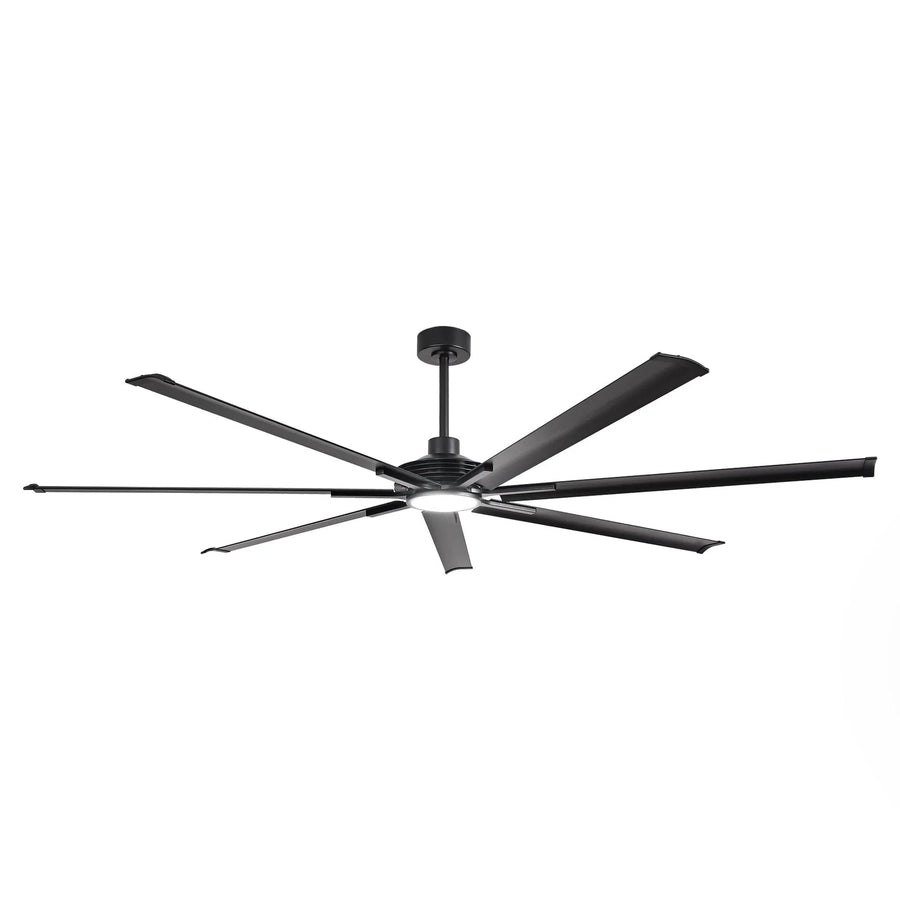
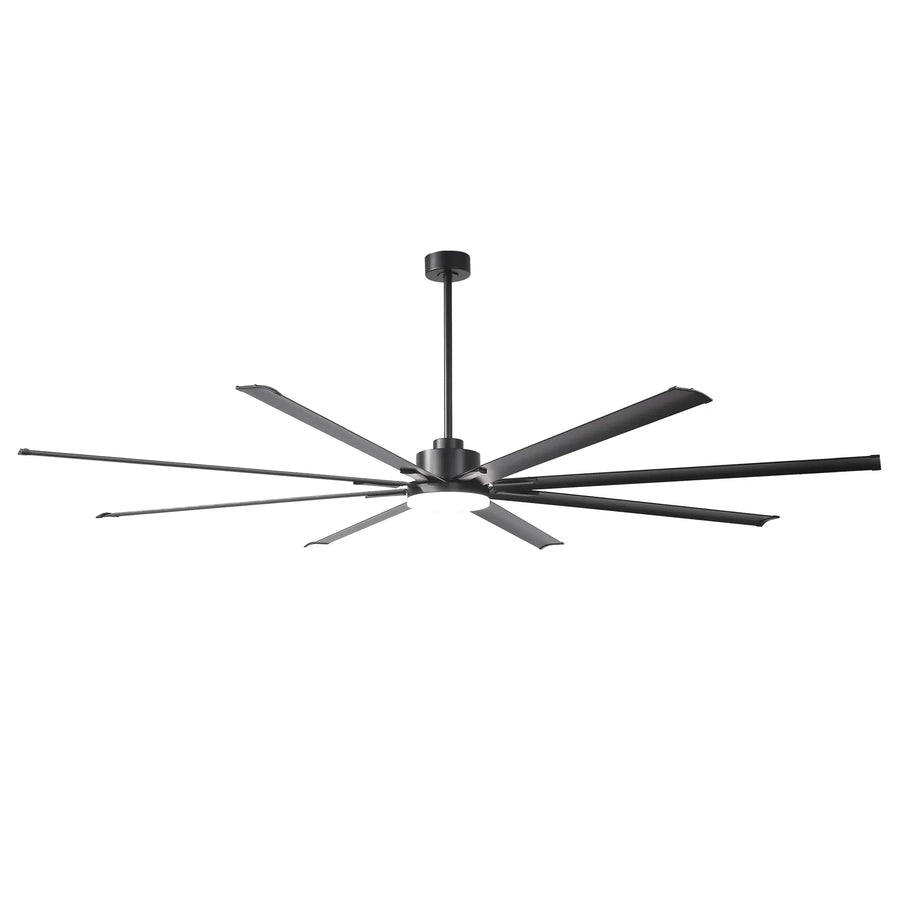
The Vaczon features eight aluminum blades and is available in 84-inch and 100-inch sizes. Its listed maximum airflow reaches 11,200 CFM and 11,500 CFM, respectively. It uses a 50W DC motor and offers six speeds, remote control and app connectivity. The integrated dimmable LED light provides three color temperatures: 3000K, 4000K and 6500K. Three included downrods measuring 5, 10 and 24 inches provide installation flexibility. It is ETL certified and designed for dry indoor locations.

Parrot Uncle Padus Large Ceiling Fan
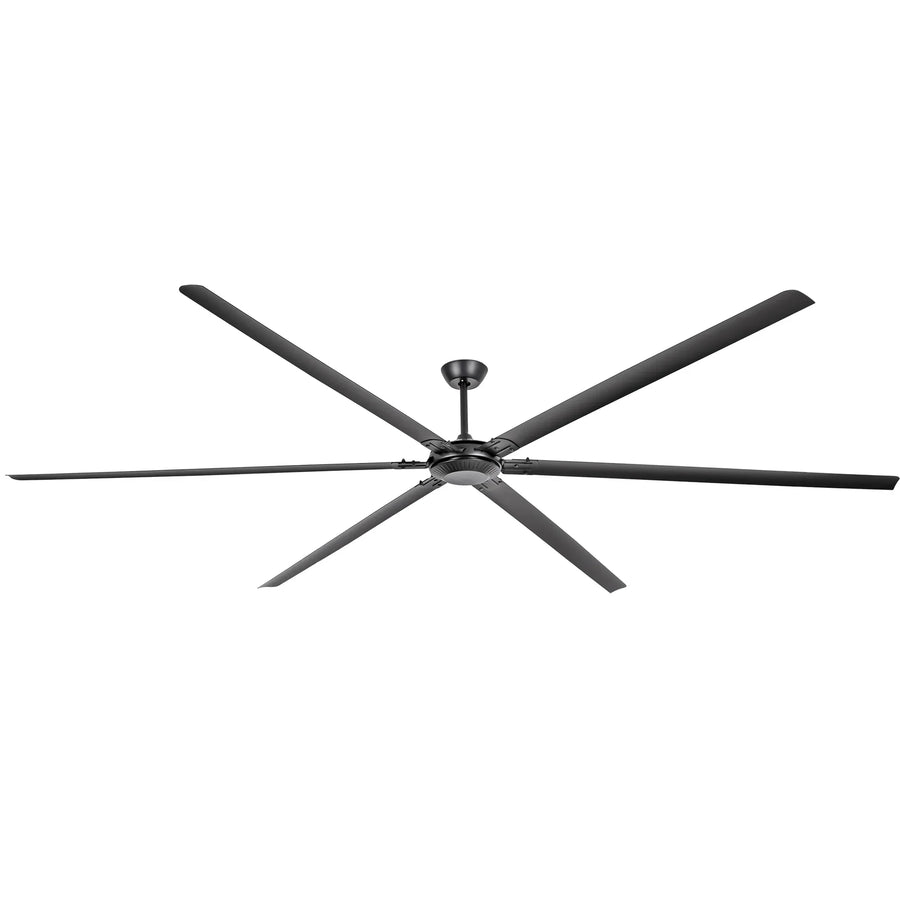
The Padus features seven aluminum blades and comes in 84-inch, 100-inch and 120-inch sizes. Its listed maximum airflow reaches 11,200 CFM, 11,500 CFM and 24,000 CFM, respectively. It offers six speed settings, a DC motor, remote control and reversible airflow. The integrated 22W LED light produces up to 2,200 lumens and supports dimming and three color temperatures of 3000K, 4500K and 6000K. Its large blade span makes it worth considering for spacious great rooms and open-concept interiors.

Final Thoughts
Improving air circulation in an open-concept living room requires the right fan size, placement and ventilation. A well-planned combination of ceiling fans, natural airflow and thoughtful furniture arrangement can make large connected spaces more comfortable for everyday living.
Product specifications are based on the supplied product listings. General fan sizing and mounting recommendations are guidelines; actual requirements depend on room conditions and manufacturer instructions.